Hatha Yoga Classes
This is probably what you picture when you think of yoga. Standing poses, seated stretches, twists, gentle backbends — flowing one into the next, with breathing at the centre of everything.
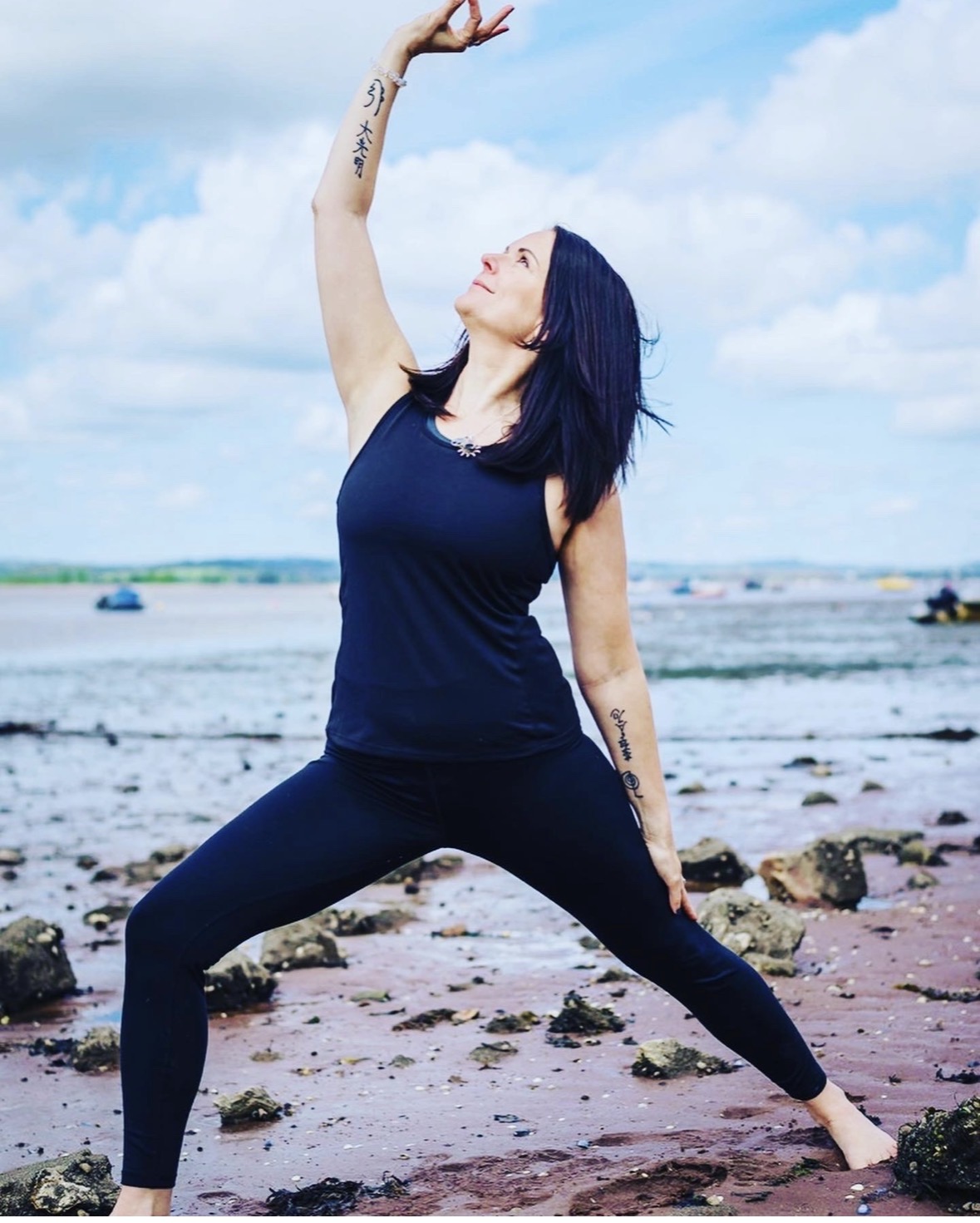
What Happens in a Hatha Class
We start lying down or in a comfortable seated position, taking a few minutes to arrive and let go of whatever you've brought with you from outside. I'll guide you through some simple breathing to settle the nervous system.
Then we build gradually — some standing work for strength and stability, seated poses for hips and hamstrings, twists for the spine, maybe a gentle inversion if the group is up for it. I adapt each class to who's in the room. If you're new to yoga, don't worry — I'll guide you through everything.
Every class ends with a proper relaxation. Not just a few minutes lying there waiting to leave, but a guided process that helps the body integrate what we've done. Sometimes I'll take you through yoga nidra, sometimes a simpler savasana — but either way, you won't be rushed back into the world.
Who Comes to Hatha?
- Complete beginners — this is a good place to start. You'll learn the basics properly without feeling lost.
- People returning after a break — had a baby, been ill, life got busy. Hatha gives you a way back in.
- Anyone who sits at a desk all day — tight shoulders, stiff hips, sore lower back. We address all of that.
- Runners and cyclists — I get a lot of athletes who come for the stretching but stay for the mental benefits.
- People wanting a balanced practice — not just stretching, not just strength, but both together.
The Practical Bits
What to bring: A yoga mat if you have one (I have spares). Comfortable clothes that won't ride up or restrict you. A bottle of water. Maybe a blanket or jumper for relaxation — you can get cold lying still.
What to eat: Don't come on a full stomach. A light snack an hour or two before is fine, but twisting on a belly full of lunch is no fun for anyone.
Arriving: Come a few minutes early if you can, especially your first time. It gives us a chance to chat about any injuries or concerns, and you can settle in without rushing.
Class sizes: Maximum 8 people. Small enough that I can see what's happening and offer individual guidance, but big enough that you're not on your own.
Questions People Ask
I'm not flexible — can I still do this?
Yes. Flexibility isn't a prerequisite for yoga — it's something that develops over time. I offer easier versions of every pose, and we use props to make things accessible. You work where your body is today, not where you think it should be.
What's the difference between Hatha and Yin?
Hatha is more active — we move between poses, build heat, work the muscles. Yin yoga is passive — we hold poses for minutes at a time, targeting deeper connective tissue. Many people do both because they complement each other so well.
How often should I come?
Once a week is a good start. You'll feel the benefits, and it's sustainable for most schedules. Some people build up to twice a week as yoga becomes part of their routine. There's no right answer — whatever you can manage consistently is better than nothing.
Ready to Try Hatha?
Get in touch to find out when the next class is and whether it's right for you. No commitment, no pressure — just honest conversation about what might help.
Get in TouchCookie Preferences
Learn more about how we use cookies in our Cookie Policy and Privacy Policy.